Complex data silos
Teams spent days moving spatial data across disconnected tools before any analysis could start.
AMRT Case Study
Redesigned spatial workflows so analysts can move from raw data to decision-ready outputs faster, with less friction and better consistency.
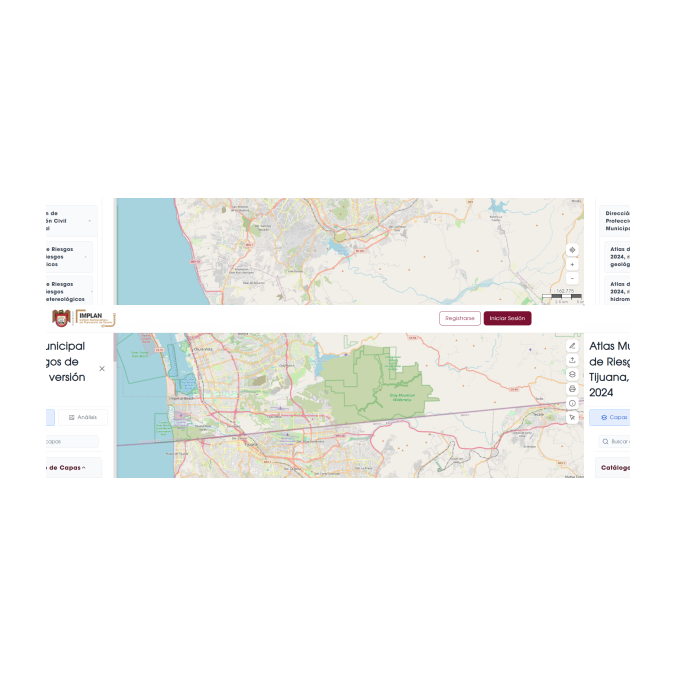
The project started with disconnected workflows, inconsistent interfaces, and long operational cycles.
Teams spent days moving spatial data across disconnected tools before any analysis could start.
Basic analysis required repetitive manual steps, slowing delivery and increasing operational cost.
Fragmented interaction patterns created a steep learning curve and inconsistent outputs.
A four-step approach connected research findings to implementation decisions.
Step 01
Stakeholder interviews and workflow mapping across existing systems.
Step 02
Prioritization of key tasks, architecture decisions, and success criteria.
Step 03
Low-fidelity and high-fidelity validation with analysts and operational teams.
Step 04
Rollout of a modular interface and iterative improvements with real usage feedback.
The final structure simplified navigation, task targeting, and result delivery.
A unified access point for geospatial sources replaced fragmented handoffs.
The interface proposes relevant analytical layers based on current user intent.
Reporting workflows were shortened so teams can share outputs immediately.
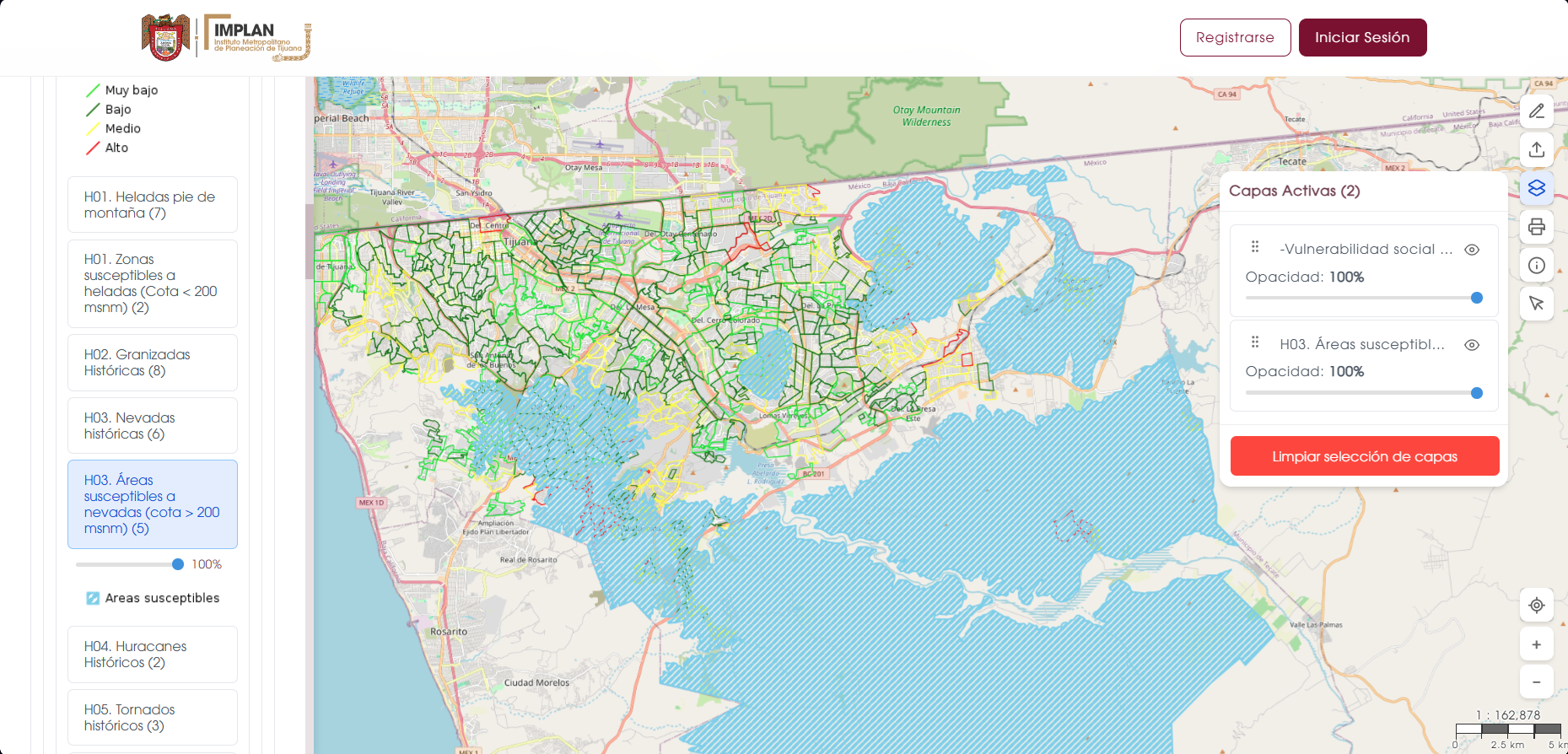
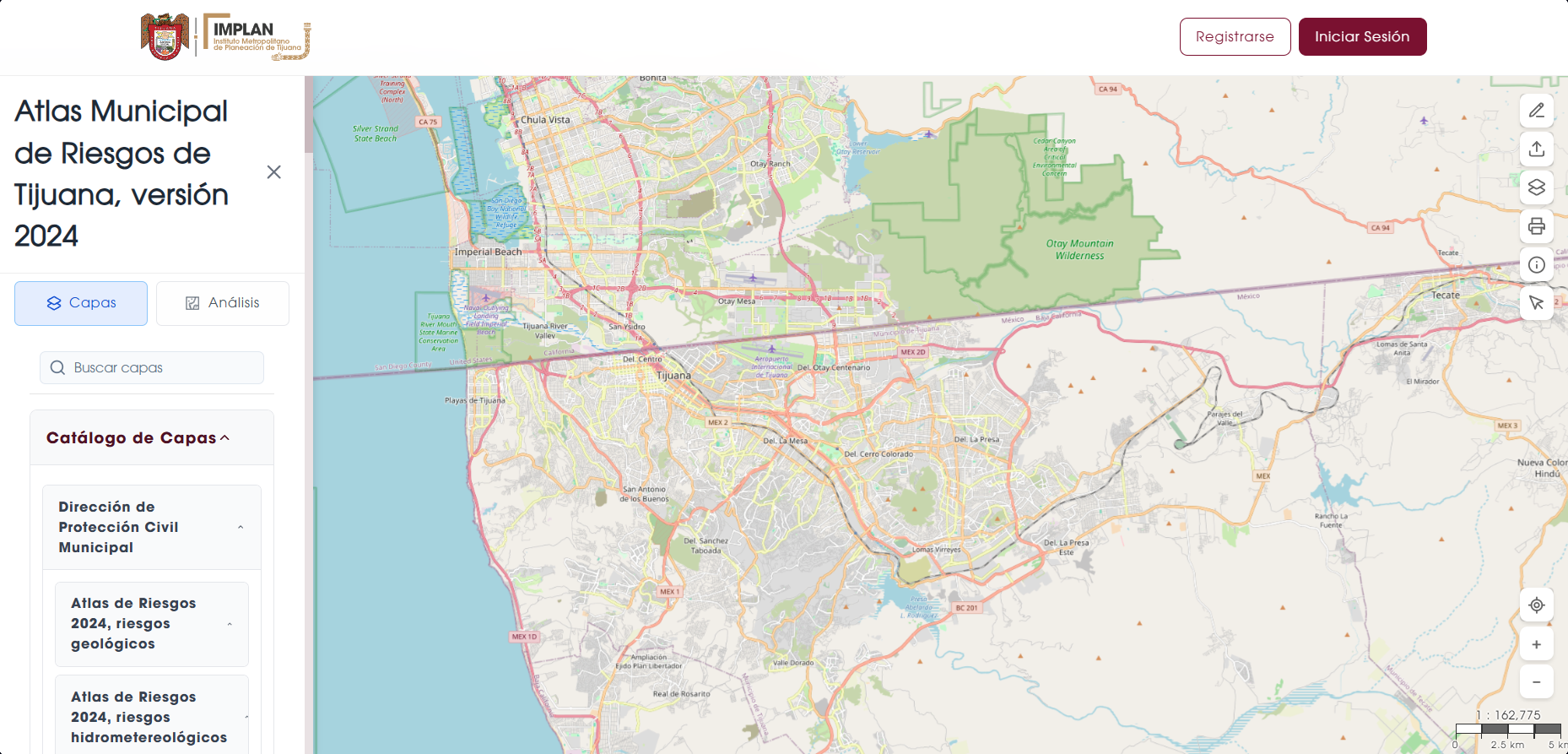
High Fidelity
High-fidelity screens focused on faster analysis and clearer spatial decisions.
Next step
I can help your team translate complex data and workflows into intuitive, high-impact user experiences.